5 Summer activities that build planning skills
When summer arrives, many families welcome the break from school routines—but for individuals with executive functioning challenges, that loss of structure can lead to frustration, regression, or increased dependence.
The good news? Summer is actually one of the best times to build planning skills—without worksheets, pressure, or academic stress.
Planning is an executive functioning skill that includes:
Breaking tasks into steps
Organizing materials and time
Thinking ahead
Following through
And it doesn’t have to happen at a desk.
Here are 5 simple, real-life summer activities that naturally build planning skills in a way that feels engaging, meaningful, and fun.

1. Plan a Simple Meal (or Snack Night)
Instead of handing your child or client a worksheet, invite them into the kitchen.
Try this:
Let them choose a meal or snack
Help them write or verbalize a list of ingredients
Go shopping together
Follow steps to prepare it
Planning skills being practiced:
Sequencing steps
Organizing materials
Time awareness
Problem-solving when things don’t go as planned
Why it works: Cooking requires planning from start to finish, naturally strengthening organization and follow-through.

2. Be in Charge of Packing for an Outing
Whether it’s a trip to the pool, park, or a family visit—turn packing into a skill-building opportunity.
Try this:
Ask: “What do we need for this trip?”
Help them create a checklist (visual, verbal, or written)
Let them gather and pack items
Planning skills being practiced:
Anticipating needs
Organizing items
Self-monitoring (“Did I forget anything?”)
Pro tip: Don’t rescue too quickly if something is forgotten—use it as a learning moment.
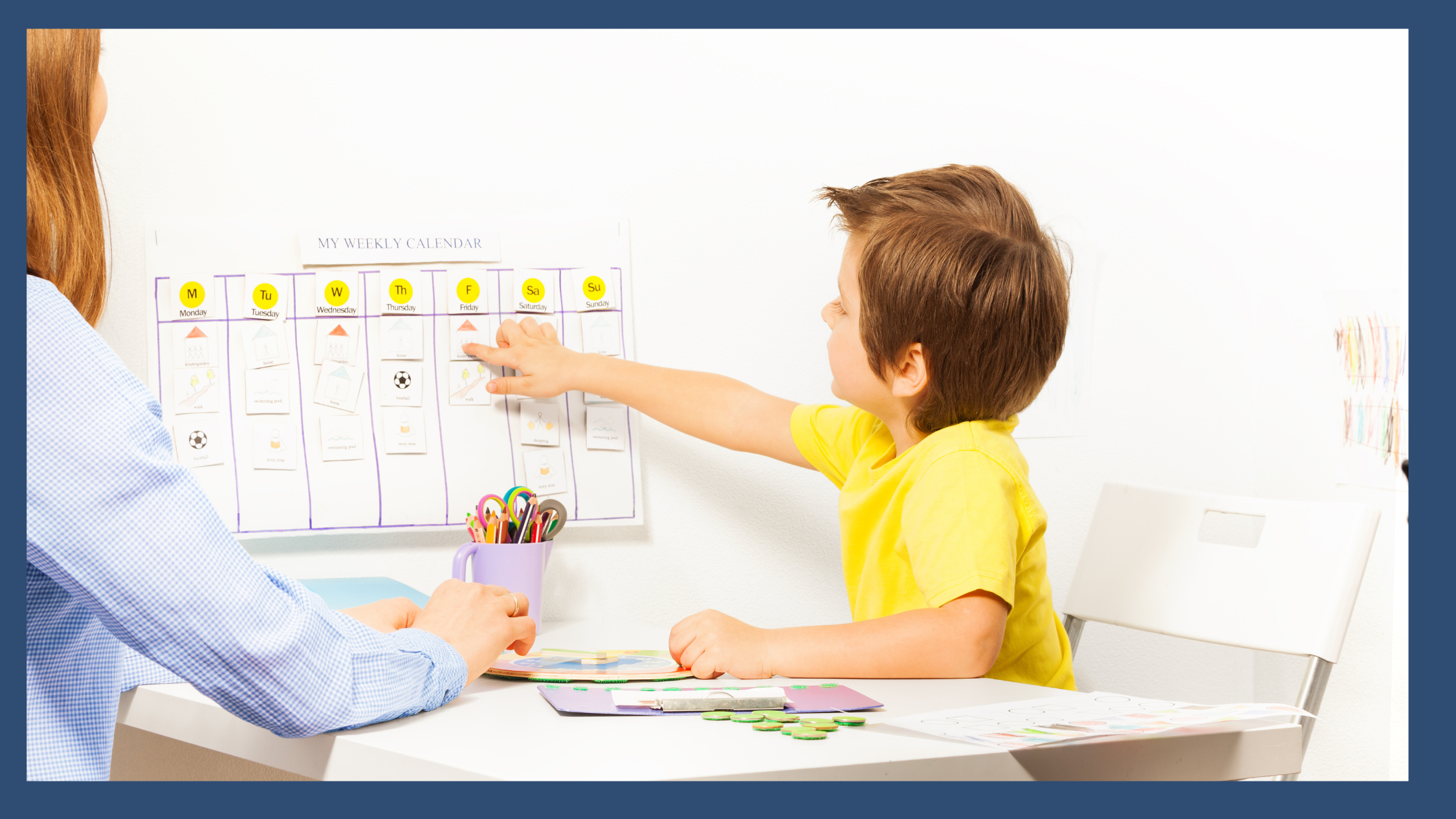
3. Create a Weekly “Loose Plan”
Summer doesn’t need a rigid schedule—but a loose framework helps build planning skills while keeping things flexible.
Try this:
Sit down once a week to map out activities
Include things like outings, chores, screen time, and downtime
Let them help decide what goes where
Planning skills being practiced:
Prioritizing
Time management
Flexible thinking
💡 Think of it as a “rhythm,” not a strict routine.
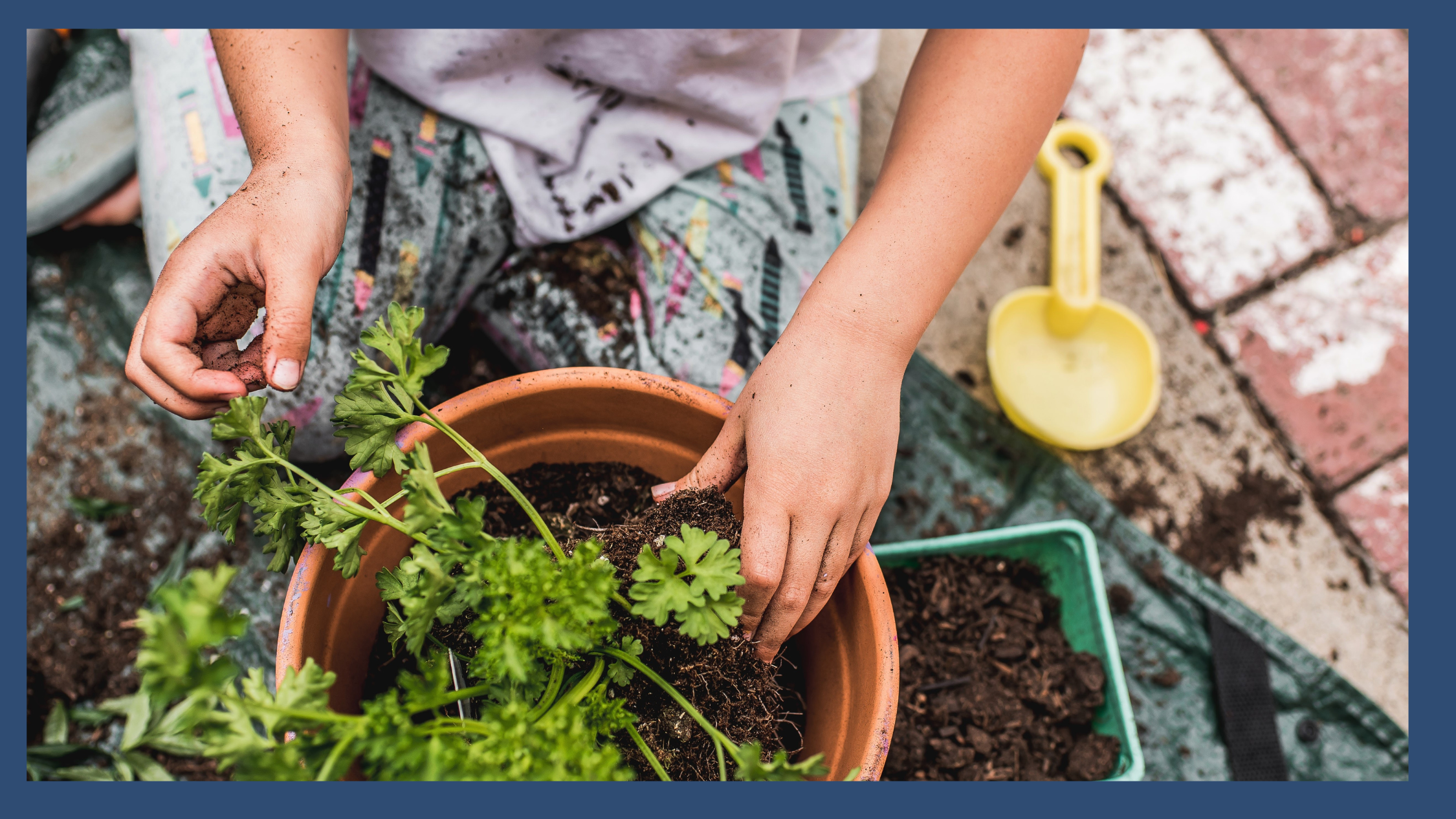
4. Choose a “Project of the Week”
Projects are one of the most powerful ways to build executive functioning skills.
Examples:
Organizing a room or space
Planning a small lemonade stand or craft sale
Learning a hobby (gardening, art, animal care, etc.)
Try this:
Break the project into steps
Identify needed materials
Set small daily goals
Planning skills being practiced:
Breaking down tasks
Goal setting
Sustaining effort over time
This mirrors real-life planning much more than worksheets ever could.

5. Plan a Fun Outing (With Support)
Let them take the lead on something exciting—this increases motivation and engagement.
Try this:
Ask them to plan a trip (park, movie, restaurant, etc.)
Talk through:
Where are we going?
How will we get there?
What do we need to bring?
What’s the schedule?
Planning skills being practiced:
Decision-making
Organizing information
Thinking ahead
Adjusting plans if needed
Even small decisions build confidence and independence.
Why This Matters
Planning is a life skill—not just a school skill.
Without intentional practice, individuals with executive functioning challenges may:
Avoid tasks
Feel overwhelmed
Struggle with independence
But with real-life, low-pressure experiences, they build:
Confidence
Independence
Problem-solving skills
Follow-through
And summer provides the perfect environment to do this—because learning can happen naturally, not through worksheets.
Final Thought
You don’t need a curriculum to build executive functioning.
You just need intentional opportunities.
Every trip, chore, and activity can become a moment to teach planning skills—when we slow down and involve the individual in the process.